Chapter VIII · Voices of the nations · 1867–1894
Grieg, Brahms, Tchaikovsky and the voices of the nations
Norway, Russia, Bohemia, and Brahms’s unspoken love.
Painting: Clive Douglas, Tasmanian wilderness
Every section is read aloud: press Listen. Or hear the whole chapter in the app, where you can tick off each part as you go.
In this chapter: 1867 Grieg · 1868 Brahms · 1874 Mussorgsky · 1876 Tchaikovsky · 1894 Dvořák
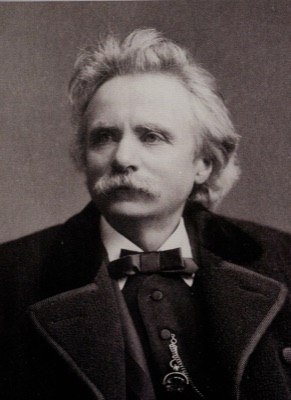
1867 · Edvard Grieg, 1843–1907
Grieg
Norway in a few bars
Edvard Grieg was a small man from Bergen with a big heart for Norway's folk music, its fiddle tunes and mountain dances. In 1867 he published his first book of Lyric Pieces, short and intimate pieces for players at home. The very first, Arietta, is a little melody that sounds like a memory. Over thirty-four years he wrote sixty-six of them, and the very last piece in the last book brings back that same Arietta melody, turned into a waltz, as if saying goodbye. When Grieg was young, Liszt sight-read his Piano Concerto from the manuscript and told him: keep on, don't let them frighten you.
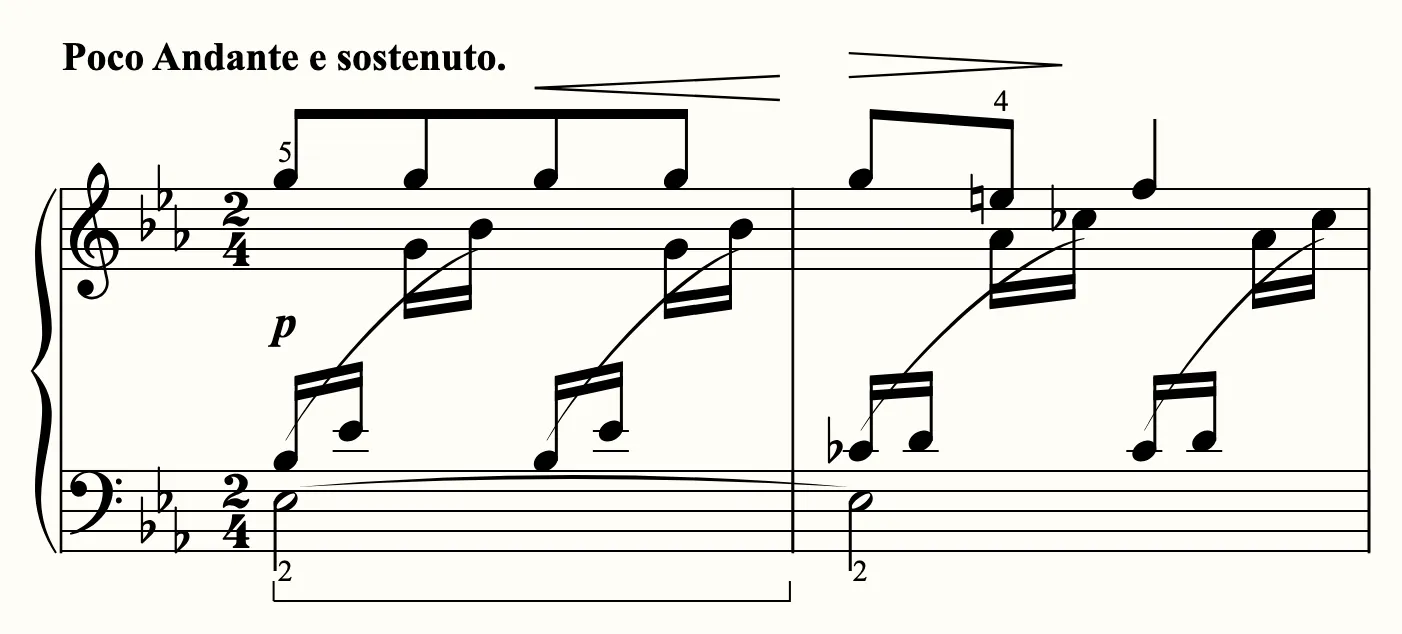
How it links: Liszt (1840)
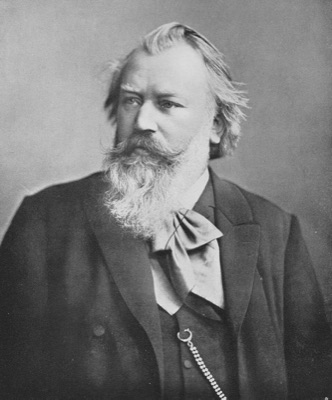
1868 · Johannes Brahms, 1833–1897
Brahms
A love that stayed unspoken
At twenty, Johannes Brahms knocked on Robert and Clara Schumann's door. Robert told the world a young genius had arrived. Months later Robert fell gravely ill in his mind and was taken to a hospital he never left, and Brahms moved nearby to help Clara and her young children. He loved her for the rest of his life. We will never know exactly what passed between them, only that they stayed devoted friends for forty years. His Lullaby, written for a friend's new baby, is sung everywhere. His late piano pieces, written in his sixties, feel like private letters; he called some of them the lullabies of his sorrows. When Clara died in 1896, Brahms rushed to her funeral. He died less than a year later.
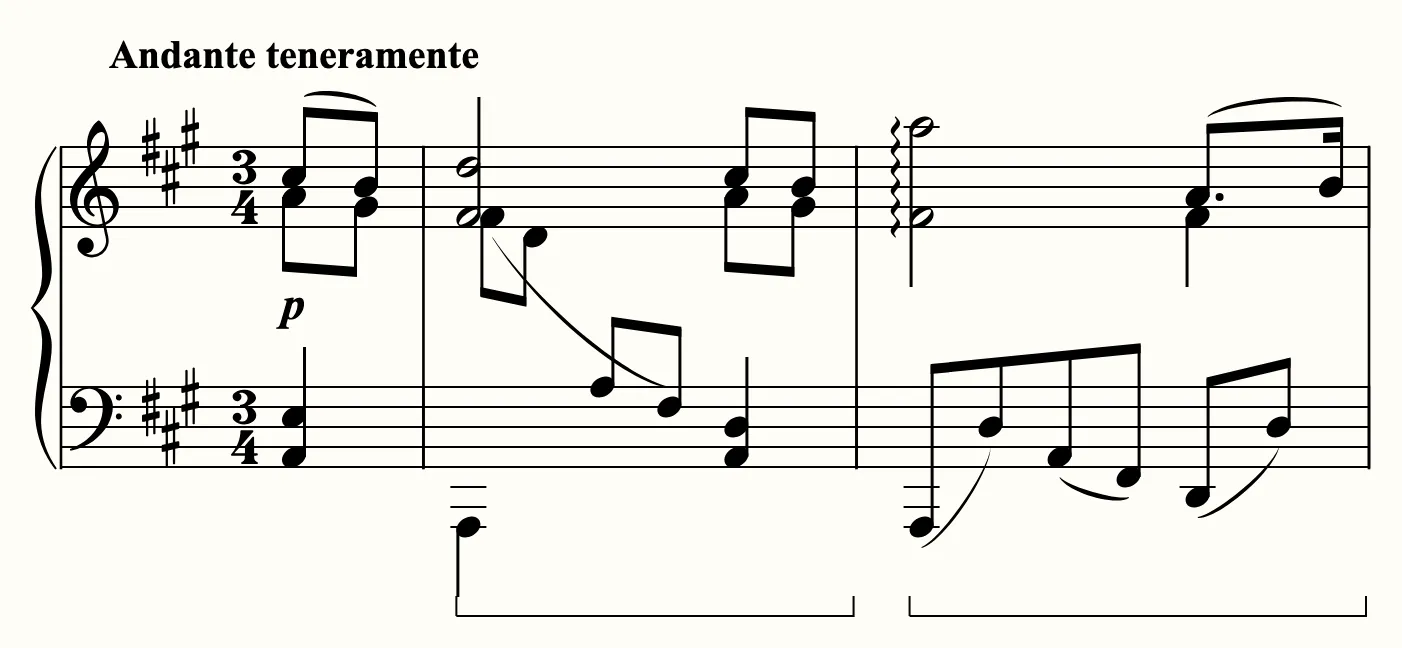
How it links: Robert and Clara (1838) · A piano in every parlour (1865)
1874 · Modest Mussorgsky, 1839–1881
Mussorgsky
A walk past paintings
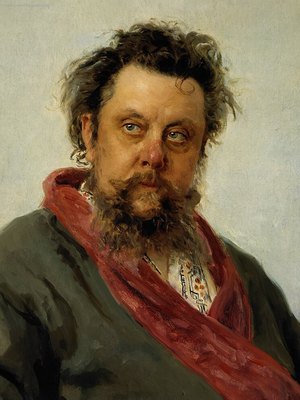
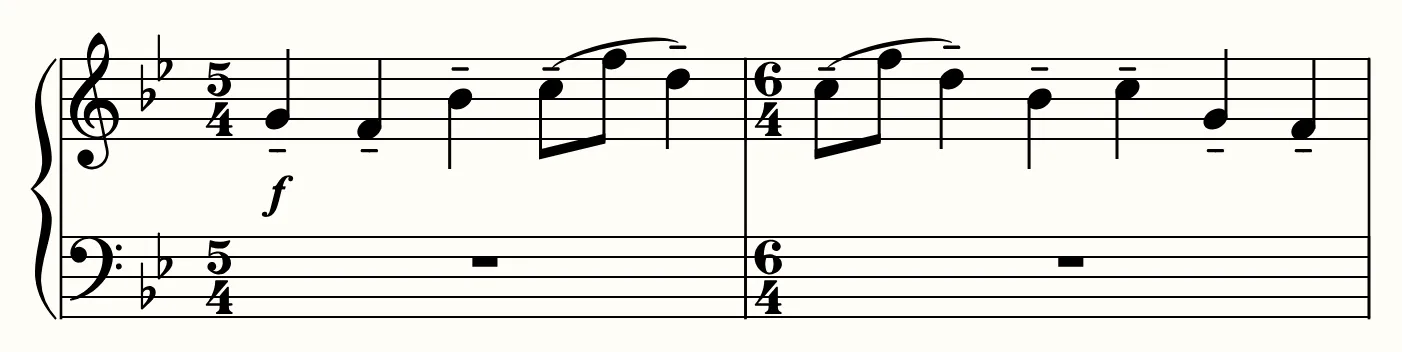
When his friend, the artist Viktor Hartmann, died suddenly at thirty-nine, Modest Mussorgsky walked through a memorial exhibition of his paintings and drawings. In 1874 he turned that walk into music for solo piano: Pictures at an Exhibition. A Promenade theme returns between the pictures: his own footsteps, wandering from frame to frame, the mood changing as grief changes. It ends at a drawing of a great gate in Kyiv, with the piano ringing like the bells of a whole city. A walk past paintings became music. On this road, the music walks past paintings.
1876 · Pyotr Ilyich Tchaikovsky, 1840–1893
Tchaikovsky
A year in twelve pieces
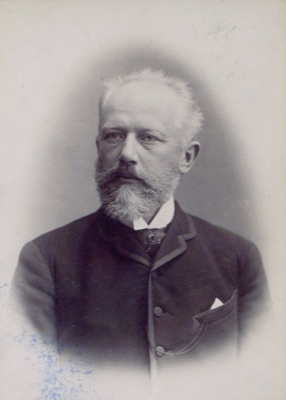
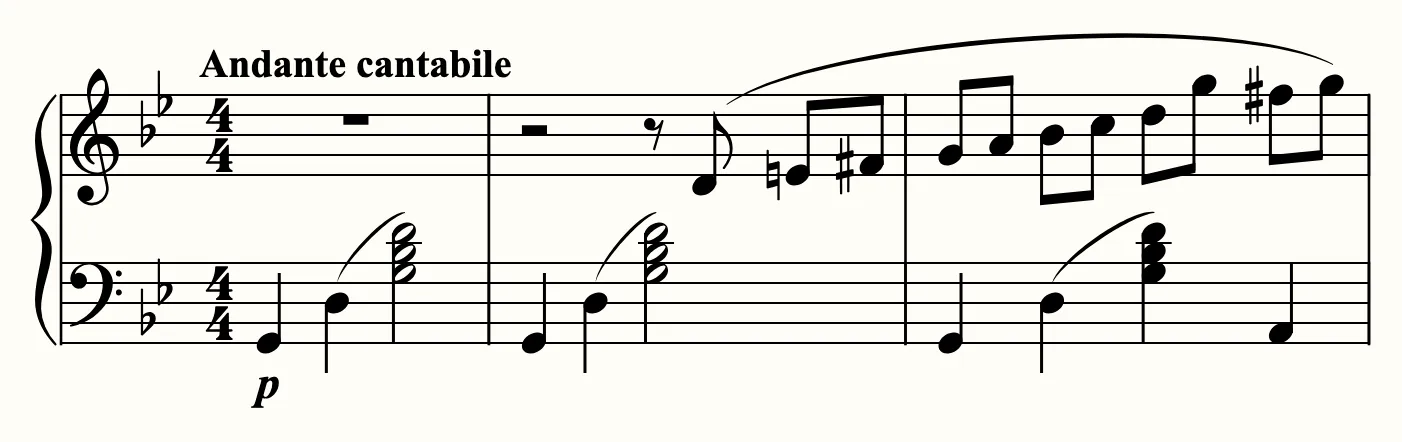
In 1876 a Saint Petersburg magazine asked Pyotr Ilyich Tchaikovsky for a piano piece every month, one for each month of the year. The Seasons became a diary in music, and June, a boat song, is among the most heartfelt melodies he ever wrote. Tchaikovsky was a deeply sensitive man who kept much of his inner life hidden from the world of his time. His music hides nothing. Later, for The Nutcracker, he gave the Sugar Plum Fairy the sound of a brand new instrument he had found in Paris: the celesta, a keyboard whose hammers strike little metal bars like tiny bells.
How it links: Rachmaninoff (1892)
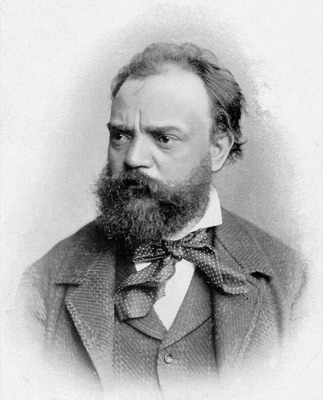
1894 · Antonín Dvořák, 1841–1904
Dvořák
Homesick in New York
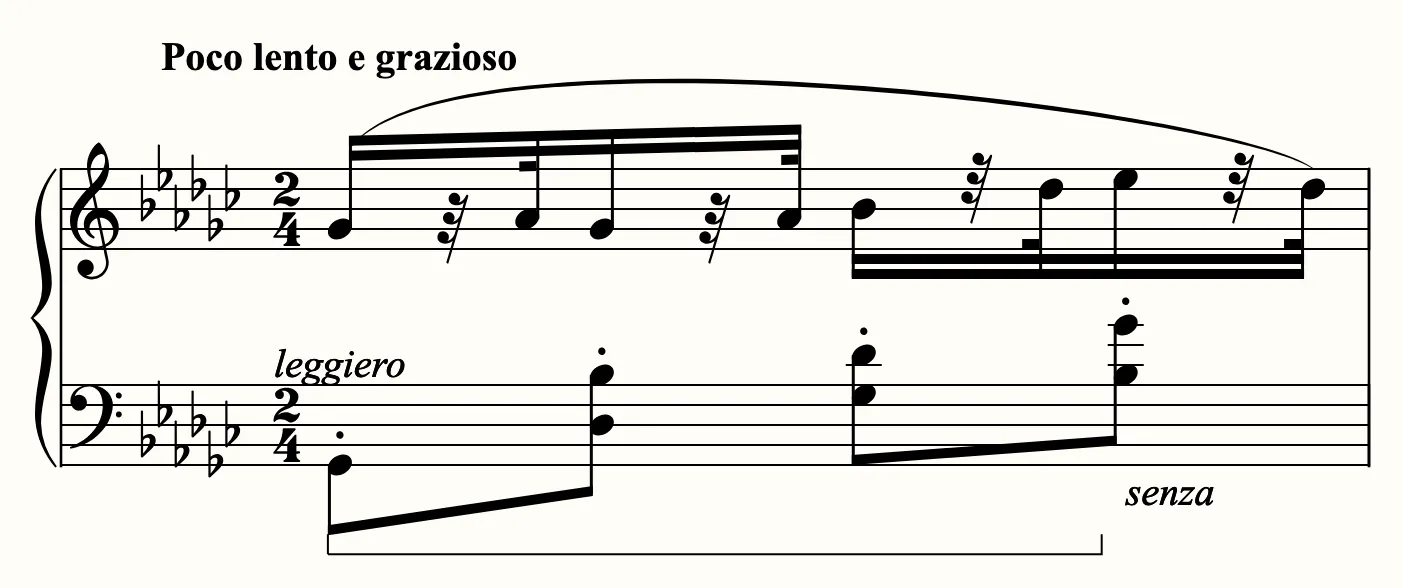
Antonín Dvořák was the son of a village butcher in Bohemia, and played the viola in a dance band before the world discovered him. In 1892 he went to New York to lead a music school. He loved America, its open spaces and the spirituals his student Harry Burleigh sang to him, and he wrote his New World Symphony there. But he missed home terribly. Back in Bohemia for the summer of 1894, he finished eight Humoresques for piano. The seventh, light and lilting, became one of the most played pieces of its day: a homesick man's happiest tune.
Test yourself
What did Mussorgsky’s Pictures at an Exhibition describe?
- A walk through a friend’s memorial exhibition
- A year in twelve months
- A journey to New York
Show the answer
A walk through a friend’s memorial exhibition. He walked through an exhibition of his friend Viktor Hartmann’s paintings, and the Promenade is his footsteps.
In the app
The story of the piano lives in Artform’s Theory room: twelve chapters on a road through the years, each one read aloud, with the pieces to play and a tick for every part you finish. Free, in the browser.
Hear chapter VIII in the app