Chapter V · The singing piano · 1812–1832
The singing piano: Field, Schubert, Mendelssohn and young Chopin
Nocturnes, songs without words, and a new action.
Painting: Clive Douglas, Fading light
Every section is read aloud: press Listen. Or hear the whole chapter in the app, where you can tick off each part as you go.
In this chapter: 1812 The first nocturne · 1821 The double escapement · 1827 Schubert · 1829 Felix and Fanny · 1831 Chopin leaves home
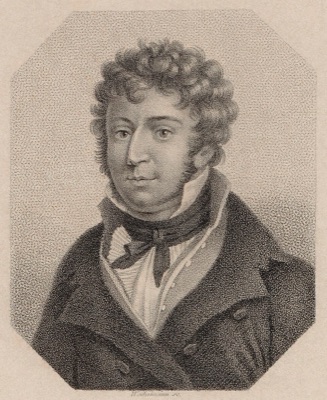
1812 · John Field, 1782–1837
The first nocturne
The night piece
John Field was a boy from Dublin, apprenticed to Clementi in London, where he played the pianos in the showroom to tempt buyers. Clementi took him to Russia to sell instruments, and Field stayed, becoming the most loved piano teacher in Moscow and Saint Petersburg. In 1812 he published the first pieces he called nocturnes, night pieces: a singing melody in the right hand over gently rocking chords in the left, with the pedal holding everything in a soft haze. It was a new idea, the piano as a singer. A young man in Warsaw would take that idea and make it immortal.
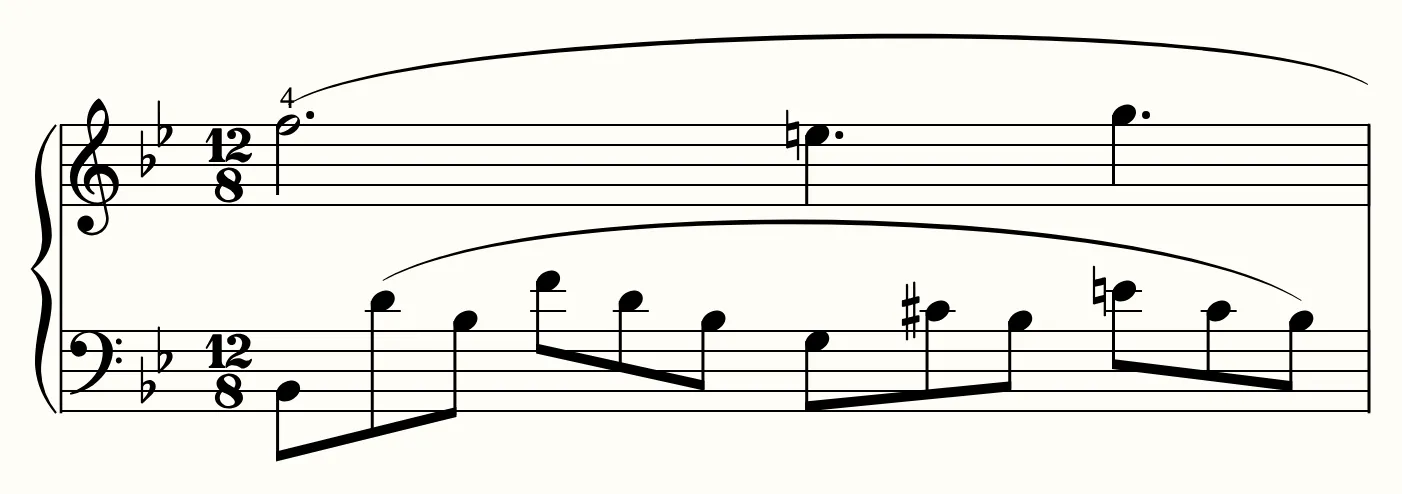
How it links: The duel (1781) · Chopin leaves home (1831)
1821
The double escapement
The same note, again and again
In 1821 Sébastien Érard in Paris patented the double escapement. On earlier pianos, a key had to come all the way back up before the hammer could strike again. Érard's mechanism catches the hammer half way, so a note can be repeated quickly without the key fully rising. It sounds like a small detail. It is the reason pianists could play rapid repeated notes, trills and fireworks, and it is still inside every grand piano made today. A young Hungarian called Liszt would make it famous.
How it links: Liszt (1840)
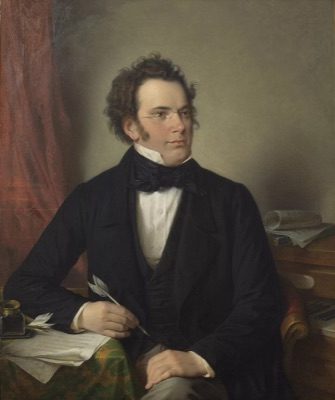
1827 · Franz Schubert, 1797–1828
Schubert
Songs among friends
Franz Schubert never held a proper job and often did not even own a piano. He wrote more than six hundred songs and played them at evenings with his friends in Vienna's living rooms, evenings they called Schubertiads. He was too shy to approach his hero, Beethoven, but in 1827 he walked in Beethoven's funeral procession carrying a torch. That same year he wrote his Impromptus, piano pieces that sing like his songs, a melody floating over rippling notes. The next year he was dead, at thirty-one. Many of his greatest works were not heard until long after. His Ave Maria and his Serenade are songs, but the piano has been singing them ever since.
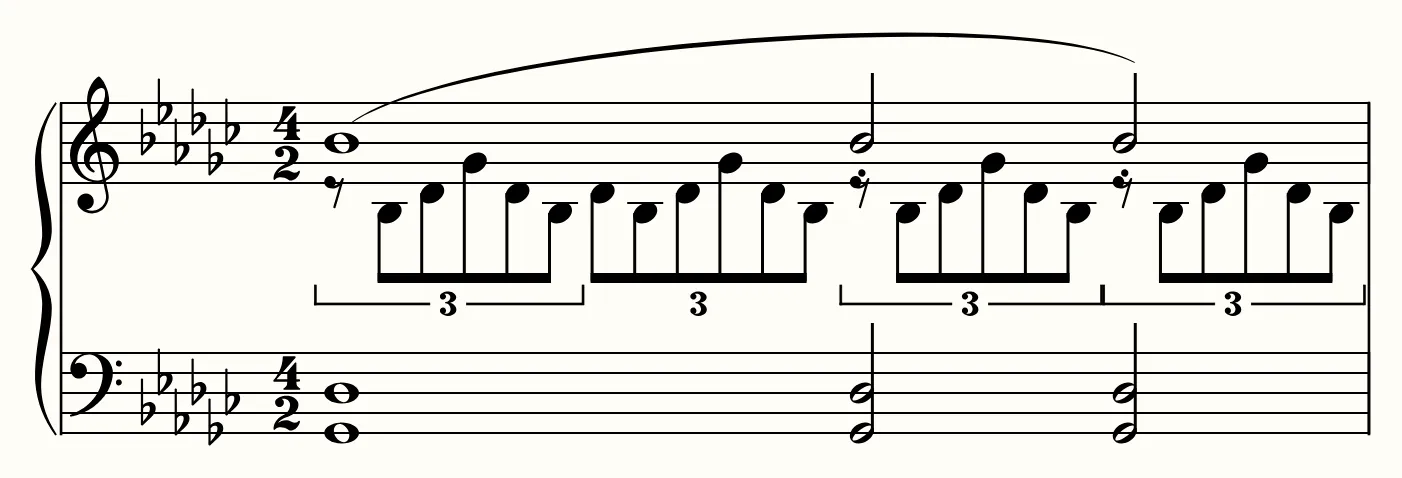
How it links: A piano he could not hear (1818) · Liszt (1840)
1829 · Felix Mendelssohn, 1809–1847
Felix and Fanny
A brother, a sister, and Bach brought back
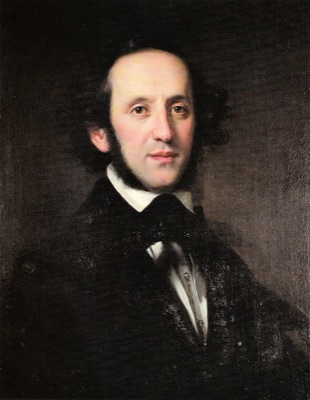
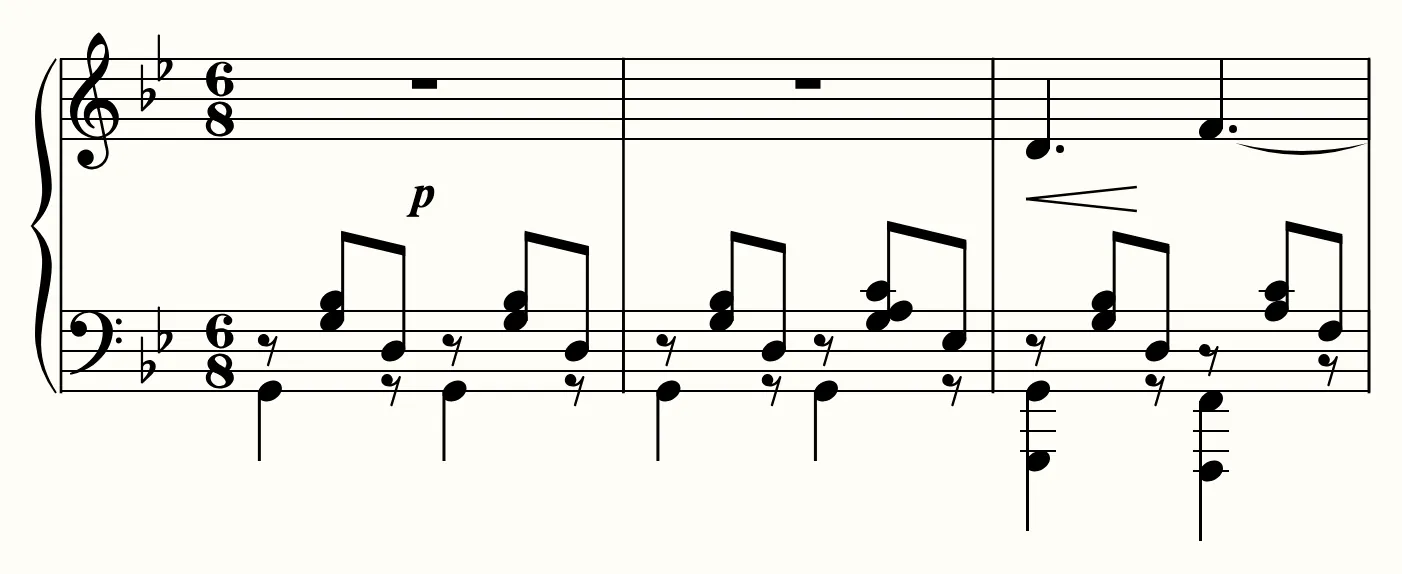
Felix Mendelssohn and his older sister Fanny were the two most gifted children of a wealthy Berlin family, and they adored each other. Both composed from childhood, but their father told Fanny that music could only ever be an ornament in her life, never a career. Some of her songs were even published under Felix's name. In 1829, at twenty, Felix conducted Bach's Saint Matthew Passion, which had not been heard for a century, and started the revival that put Bach back into every pianist's hands. Then he published his Songs Without Words, melodies that sing with no words at all. When Fanny died suddenly in 1847, Felix was heartbroken. He died six months later.
How it links: Bach, in every key (1722)
1831 · Frédéric Chopin, 1810–1849
Chopin leaves home
A homeland he could never return to
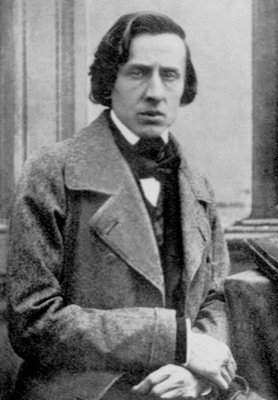
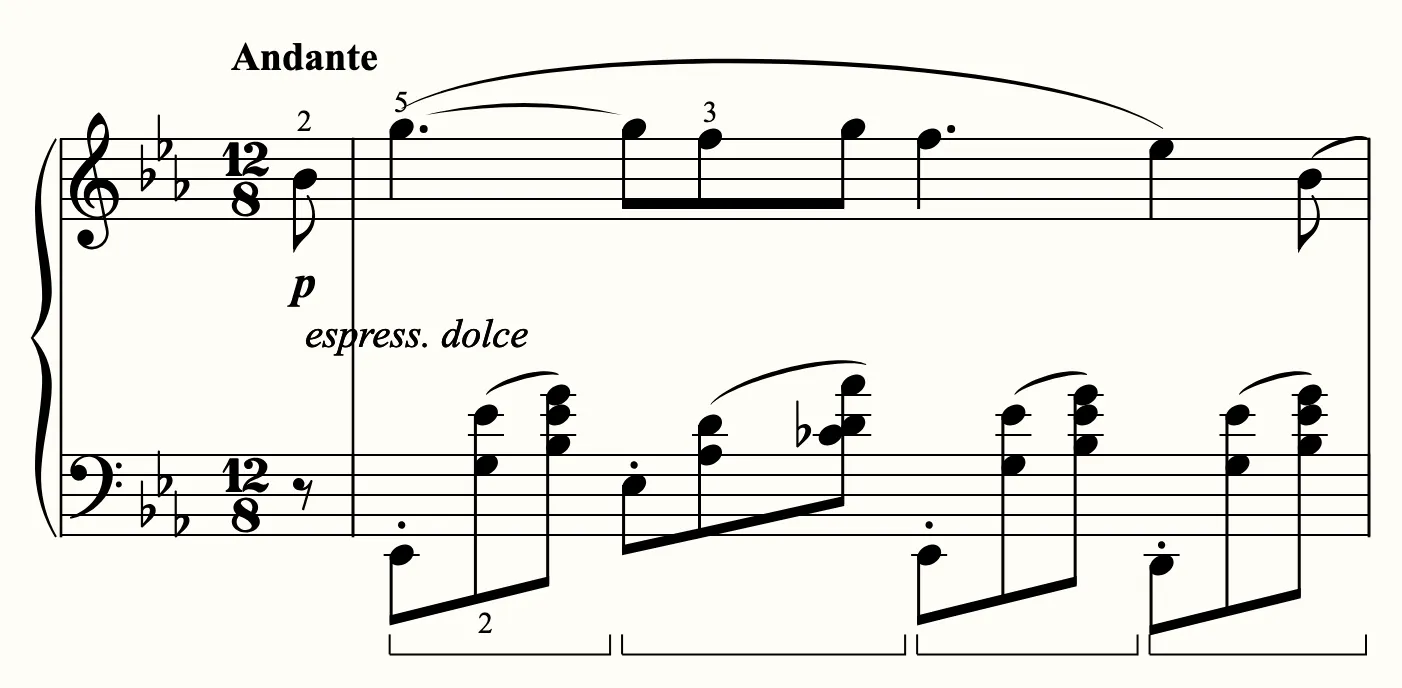
In 1830, Frédéric Chopin, twenty years old, left Warsaw; the story goes his friends gave him a cup of Polish earth to take with him. Weeks later Poland rose up against Russian rule, and in 1831 the uprising was crushed. Chopin, stranded in Stuttgart, wrote in his diary in despair, and poured his anger into an étude that storms from the very first bar. He never saw Poland again. In Paris he became the poet of the piano. He disliked big concerts and played for small rooms of friends, on Pleyel pianos whose silvery tone he loved. His Nocturne in E flat takes Field's idea and lets the melody bloom with ornaments, like a great opera singer.
How it links: The first nocturne (1812) · Robert and Clara (1838)
Test yourself
Who wrote the first pieces called nocturnes?
- Frédéric Chopin
- John Field
- Franz Schubert
Show the answer
John Field. John Field, the Irish pianist in Russia. Chopin took his idea and made it immortal.
In the app
The story of the piano lives in Artform’s Theory room: twelve chapters on a road through the years, each one read aloud, with the pieces to play and a tick for every part you finish. Free, in the browser.
Hear chapter V in the app