C.P.E. Bach: piano pieces ranked easiest to hardest
4 C.P.E. Bach pieces in the free Artform library, ordered by real difficulty data (chord speed, harmony and tempo) so you know exactly which one to learn first.
All C.P.E. Bach pieces, easiest first
- 1.CPE : La Caroline H98 — Beginner, A minor, 110 BPM
- 2.Polonaise in g Minor (BWV Anh. 125) — Intermediate, G minor, 100 BPM
- 3.Solfeggietto — Intermediate, C minor, 125 BPM
- 4.CPE : Fantasia in D minor H.195 — Advanced, D minor, 90 BPM
C.P.E. Bach in the story of the piano
Parts of the history of the piano, the story told in twelve short chapters, from the oldest keyboard music to today. Press Listen to hear it read aloud.
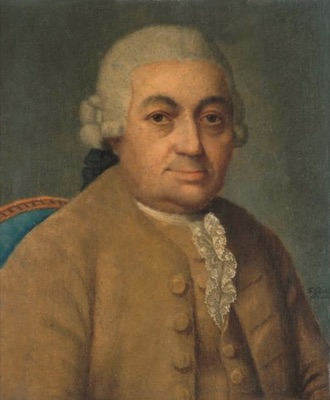
1753 · Carl Philipp Emanuel Bach, 1714–1788
C. P. E. Bach
The son who taught the world to feel at the keys
Carl Philipp Emanuel was Bach's second son, and for most of the eighteenth century he was the famous Bach. He played the harpsichord for Frederick the Great for almost thirty years, but his heart belonged to the clavichord, where a player's feelings reach the string directly. In 1753 he wrote a book on the true art of playing keyboard instruments. In it he says a musician cannot move others unless he is moved himself. Haydn played his sonatas over and over until he knew them by heart. Mozart is supposed to have said: he is the father, and we are the children. His little Solfeggietto is one restless line racing up and down the keys.
From chapter III of the story of the piano: The new keyboard of Europe, 1753–1795
1768
A piano for every home
A piano on the kitchen table
When war swept through Saxony in the 1750s, German instrument makers fled to London. One of them, Johannes Zumpe, began making small, cheap pianos shaped like a box on legs: the square piano. Suddenly families who could never afford a harpsichord could own a keyboard. In 1768, Johann Christian Bach, the youngest son of Sebastian, now music master to the Queen of England, played a solo on one at a public concert, one of the first times London heard the piano on its own. A few years earlier he had befriended a visiting eight-year-old called Mozart. They played a sonata together, the little boy on his knee, taking turns bar by bar. Mozart loved him all his life.
From chapter III of the story of the piano: The new keyboard of Europe, 1753–1795