Tchaikovsky: piano pieces ranked easiest to hardest
The easiest Tchaikovsky pieces to read come first, from the free sheet music library and graded for reading. After them, all 14 play-along chord charts, ranked by chord speed, harmony and tempo.
The easiest Tchaikovsky pieces to read
From the free sheet music library, ordered by how hard each one is to read and play, with the ones people ask for first. Every score plays back at any speed and prints.
- Swan Lake (Theme)First year
- Old French SongFirst year
- Russian DanceEarly intermediate
- 8. Waltz Childrens AlbumEarly intermediate
- Marche SlaveEarly intermediate
- March of the Wooden Soldiers, Op. 39 No. 5Early intermediate
All the easy Tchaikovsky sheet music · All 35 Tchaikovsky scores
Play along with the chords: all 14, easiest first
- 1.Italian Folk Song - Op. 39 No. 15 — Beginner, D major, 73 BPM
- 2.The Seasons Op. 37a February Carnival — Beginner, D major, 100 BPM
- 3.December-Christmas Opus 37 No. 12 — Beginner, Ab major, 170 BPM
- 4.Song of the Lark — Intermediate, G minor, 50 BPM
- 5.The Seasons March: Song of the Lark Op. 37a No. 3 Py — Intermediate, G minor, 50 BPM
- 6.The Seasons October Op. 37 bis No. 10 — Intermediate, D minor, 62 BPM
- 7.The Seasons Op. 37a January By the Fireside — Intermediate, E minor, 80 BPM
- 8.Concerto para Piano No. 1 — Intermediate, C major, 80 BPM
- 9.Swan Lake (Theme) — Intermediate, B minor, 100 BPM
- 10.Symphony No. 5 (3rd Movement Valse) Pian — Intermediate, A major, 138 BPM
- 11.Symphony No. 6 4th Movement (Piano solo) — Advanced, B minor, 54 BPM
- 12.Dance of the Sugar Plum Fairy — Advanced, E minor, 70 BPM
- 13.Swan Lake Op. 20 Act IV No.29 (Scene Finale) — Advanced, B minor, 76 BPM
- 14.January (By the Fireside) — Advanced, A major, 80 BPM
Tchaikovsky in the story of the piano
A part of the history of the piano, the story told in twelve short chapters, from the oldest keyboard music to today. Press Listen to hear it read aloud.
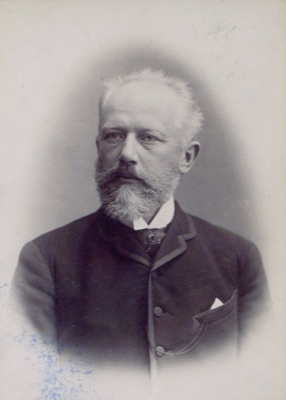
1876 · Pyotr Ilyich Tchaikovsky, 1840–1893
Tchaikovsky
A year in twelve pieces
In 1876 a Saint Petersburg magazine asked Pyotr Ilyich Tchaikovsky for a piano piece every month, one for each month of the year. The Seasons became a diary in music, and June, a boat song, is among the most heartfelt melodies he ever wrote. Tchaikovsky was a deeply sensitive man who kept much of his inner life hidden from the world of his time. His music hides nothing. Later, for The Nutcracker, he gave the Sugar Plum Fairy the sound of a brand new instrument he had found in Paris: the celesta, a keyboard whose hammers strike little metal bars like tiny bells.
From chapter VIII of the story of the piano: Voices of the nations, 1867–1894